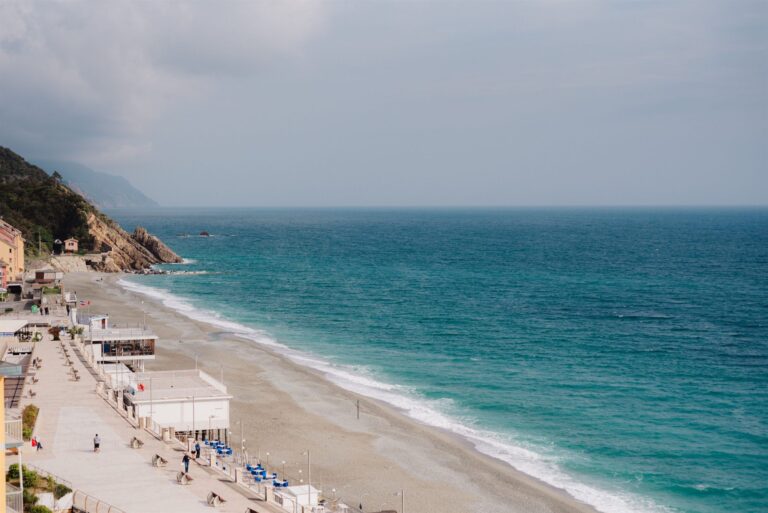
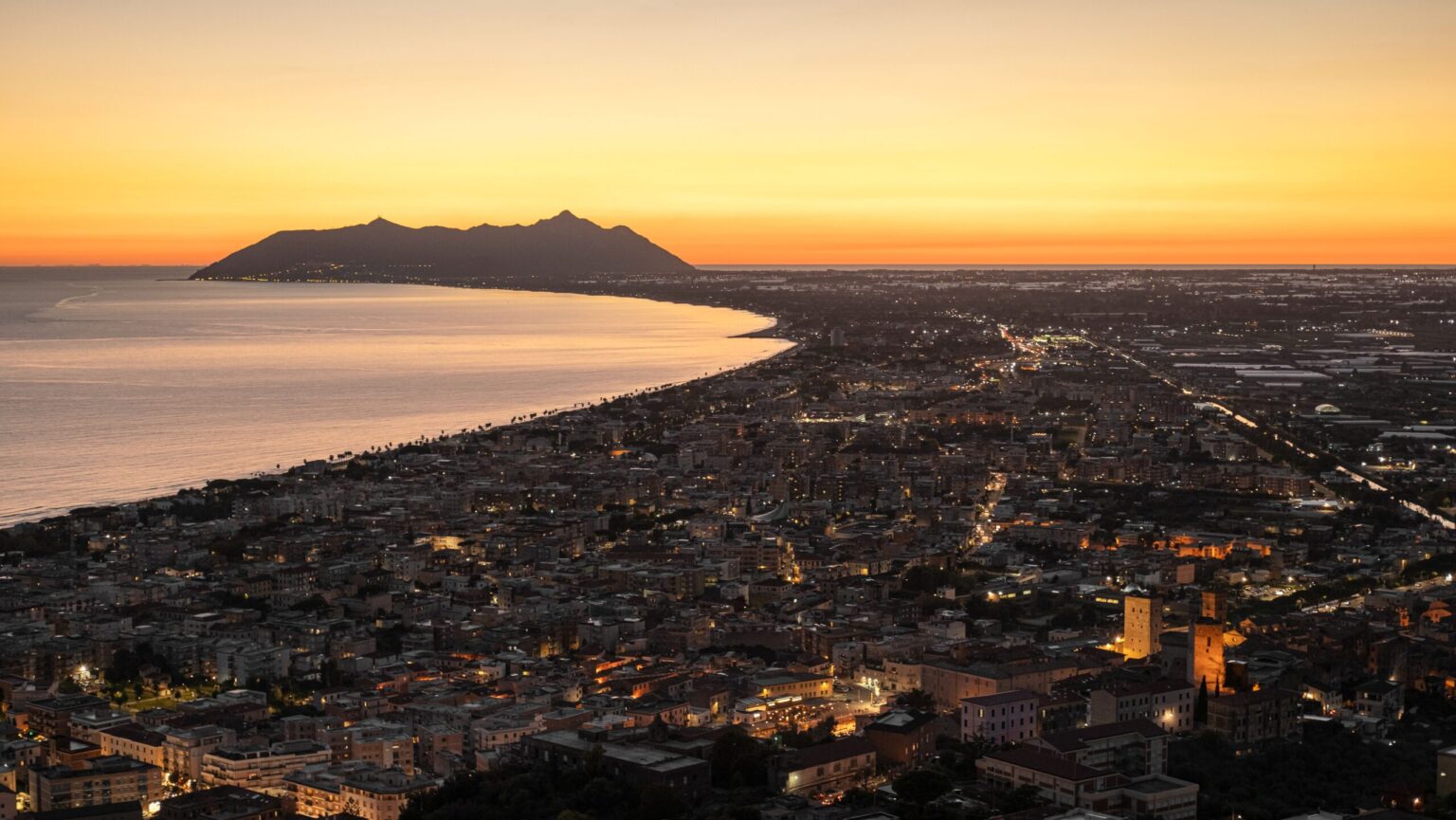
When you think of Circeo, your mind almost always runs to the beach: Torre Paola, the coves of San Felice, the water you see sparkling from the Pontina as you drive closer.
Yet, behind the most photographed beaches, Circeo hides a handful of little-known places that tell of a much less trodden side of the area: caves where history is older than it looks, a Templar old town a stone's throw from the busiest beach club, an island where almost no one sets foot.
These are the places that surprised us most after a few off-season visits, and that are worth getting to know before you even think about a towel.
Grotta Guattari, where history goes back more than 50,000 years
On the promontory of San Felice Circeo, inside the Parco Nazionale del Circeo (Circeo National Park), there is one of the most important caves in Europe from an archaeological point of view: Grotta Guattari.
In 1939 the palaeontologist Alberto Carlo Blanc discovered some of the first fossil remains of Neanderthal man ever found in Italy. Today a cast of the find can be seen in the cave, while the original is kept in a museum in Rome: a detail that almost no tourist guide mentions, and that alone is worth the detour.
The cave can't be visited freely: you need a specific permit, to be requested in advance through the Park Visitor Centre in Sabaudia or directly from the San Felice Circeo town council. It's not an obstacle, just a step to arrange before you leave, not at the last minute.
The historic Templar centre, a stone's throw from the busiest beach
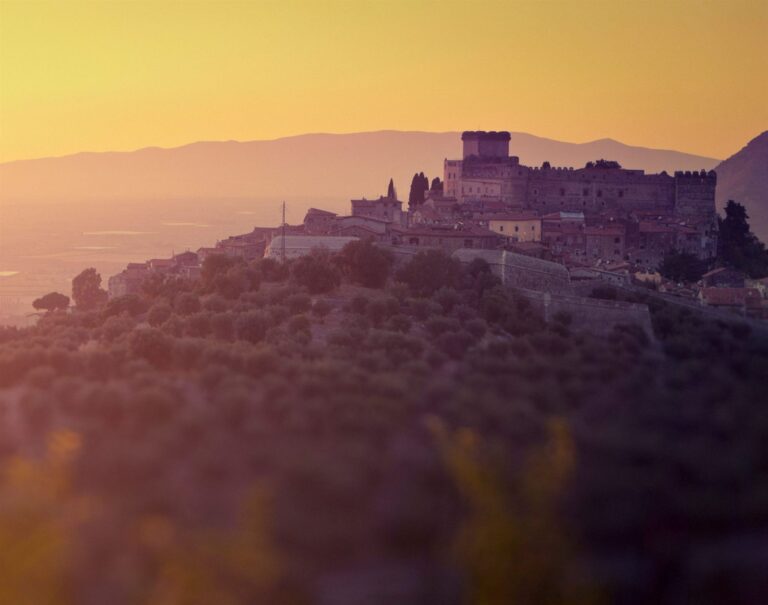
Those who come to Circeo for the sea often never park in the centre. That's a shame, because the old heart of San Felice Circeo holds a tower and a Templar convent in Piazza Vittorio Veneto, dating from the 1200s, when the Templar Order occupied the village at the behest of Pope Gregory IX. You still enter today through the gate called “the bridge”, which once had a real drawbridge.
It takes less than an hour to wander the lanes, look out over the square and understand how Circeo, before it was a seaside destination, was a a strategic outpost in the Mediterranean. The practical tip is simple: park near Piazza Lanzuisi rather than at the seafront car parks, and save the walk for the end of the day, when the light is better and the centre empties of passing tourists.
Lago di Paola by canoe, on the (legendary) routes of Ulysses
Behind the dunes, separated from the sea by a long strip of sand, the Lago di Paola it's one of the least photographed views of Circeo, even though it's linked to one of the oldest legends of the area: according to tradition, it is at Cala dei Pescatori that Ulysses is said to have landed before meeting the sorceress Circe.
Canoes can be hired at the Darsena, and from there you can reach the innermost shores of the lake, where the remains of the Villa di Domiziano and the Casarini still stand, an old convent built over ancient Roman baths: technically in the municipality of Sabaudia, but closer to San Felice Circeo than to the centre of Sabaudia itself. On one of the shores there is also a small chapel linked to a local legend, that of a statue of the Madonna found by fishermen in the lake and then, according to the story, "resurrected" the following day on the shore.
Practical tip: check the hire times with the Darsena before you go, because they change from season to season, and go for the late afternoon, when the light on the lake is lovelier and the water calmer.
The Selva di Circe, the forest that empties just when the beach fills up
There's a paradox that's rarely mentioned: in high summer, when San Felice Circeo triples its population and the beaches are packed, the more than 8,500 hectares of the Parco Nazionale del Circeo (Circeo National Park) are almost empty, just a few hundred metres from the sea. The Selva di Circe, the flat forest that extends inland, is one of the places where you feel this most strongly: wide trails, real shade, and almost nobody around.
The best time to experience it isn't summer but spring (March-May) or autumn (September-November): milder temperatures, the Mediterranean scrub in bloom or autumn colours, and above all the bird migrations on the coastal lakes of Fogliano and Caprolace, which in those months become a remarkable observation point even for those who aren't expert birdwatchers. It's the same area as in summer, but seen from a point of view nobody gets in August.
The most useful practical tip is getting around by bike: the area is flat, the distances between forest, dunes and lakes are short, and you avoid the queues on the only coastal road on the busiest weekends.
Zannone, the island that (almost) no one visits
Of the archipelago of the Pontine Islands, Zannone is the only island that's really part of the Parco Nazionale del Circeo: the others, Ponza included, are administratively separate. It's uninhabited, with no tourist facilities, and can be reached by boat from San Felice Circeo or Ponza.
It's not an island for a spur-of-the-moment visit: access requires advance booking and a Park-authorised guide, with small groups to protect the ecosystem. That's exactly why it remains one of the least talked-about places in the area, even among people who know Circeo well: the practical tip is to book there plan your visit weeks ahead, especially if you're aiming for high season, because there are few places on each guided outing.
The Circeo that cannot be seen from the beach
The Circeo you see from the beach is probably the smallest part of what the area has to offer.
The little-known places in Circeo described here, from Grotta Guattari to Zannone, don't require a different kind of trip: one extra morning or afternoon in your plans is enough, perhaps on a spring or autumn weekend, when the park is at its best and the roads aren't yet packed.
The same idea applies at the other end of our APTG holiday homes: in Finale Ligure the most beautiful places are not always the most famous, and they're worth discovering in the same spirit: a bit more time and a willingness to leave the beaten track.
It is also the area where Villa Marita, the APTG holiday home in San Felice Circeo, is located: not a point of arrival, but a good starting point for those who want to take the time to discover Circeo beyond the beaches, before even choosing which one.