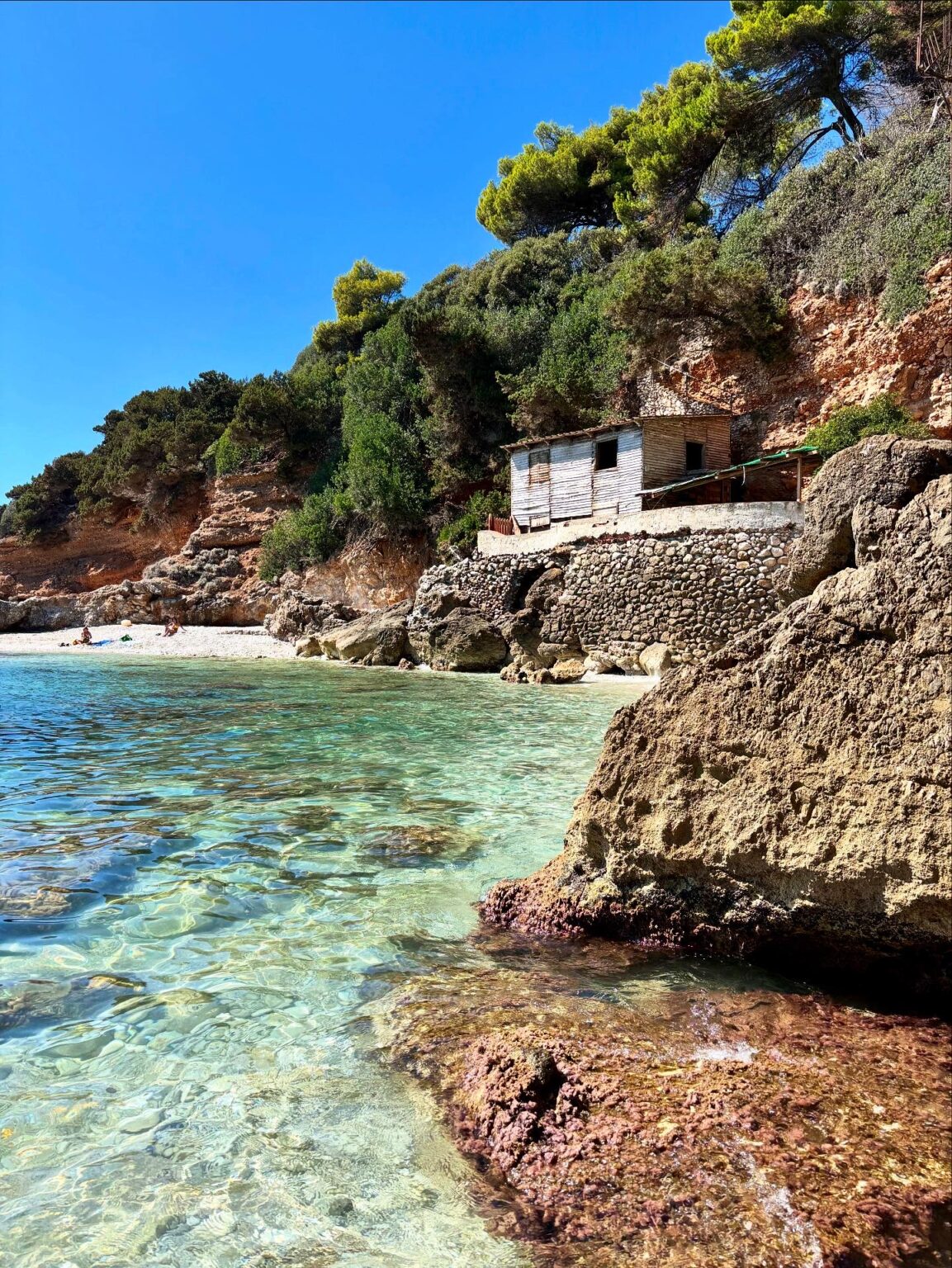
Car parks full already at nine in the morning. Queue for an umbrella. Towels practically stuck together.
Every summer the same scene repeats itself and the feeling is always the same: having chosen the wrong day to go to the beach.
The good news is that finding the sea without crowds it doesn't mean knowing a secret beach or taking a ferry to a remote island. Much more often it depends on small measures that completely change the day.
They are simple strategies, but rarely talked about. Some come from the observation of those who live by the sea all year round, others from organizational details that really make the difference. And once you start noticing them, you're unlikely to go back to old habits.
1. Look where everyone parks. Then go in the opposite direction.
Most people choose the beach closest to the main car park. It happens everywhere.
Just walk ten or fifteen minutes more and the situation changes completely.
Before leaving, open the satellite map and look for secondary accesses, cycle paths or small paths. They often lead to the same beach, but are used by very few people.
A ten minute walk is worth more than an hour spent looking for a seat.
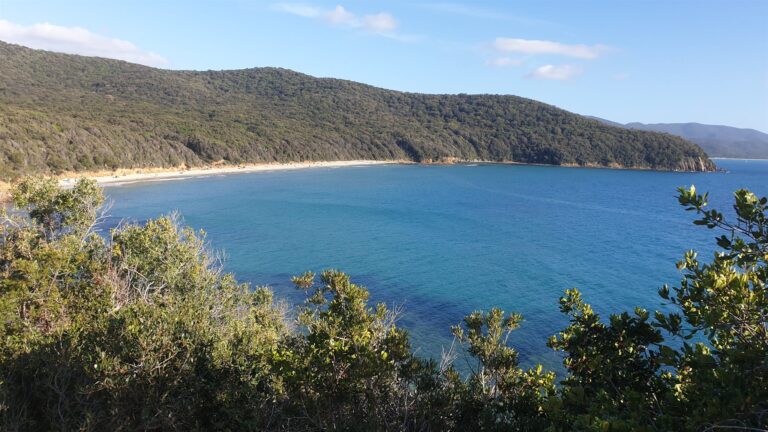
📍A concrete example: in the Baratti area, in Tuscany, almost everyone stops near the main car park. Continuing along the paths of the pine forest towards the Rimigliano Reserve, the beach becomes progressively quieter, even in the central weeks of August.
2. Don't look for “the most beautiful beach”
It's the question everyone asks, and that's exactly why everyone ends up in the same place.
Instead, try asking yourself:
- What is the longest stretch of coast?
- Where are there more accesses?
- Which beaches are photographed the least?
- Where do the factories end?
Very often the beach next to the "famous" one offers the same sea, but a completely different atmosphere.
A simple rule?
If a beach appears in every Reel or in every "unmissable" guide, it is very likely that you will not be the only one who has chosen it.
3. Arriving very early is not always the best choice
“We have to get there at seven anyway.” It's the advice you read everywhere.
The result is that at seven you already find dozens of people arranging umbrellas and bags.
However, there is another interesting moment.
In many locations including 1.30pm and 3pm, many families return for lunch or for the children to rest. If you can organize yourself differently, those two hours become surprisingly peaceful.
It's one of those little details that residents know well and that you rarely find in guidebooks.
4. Check the wind, not just the weather
Almost everyone looks at the sun and temperature, very few check the direction of the wind.
Yet a slight change is enough for one beach to become perfect and the one next to it to be filled with waves, algae or murky water.
📍 On the Island of ElbaFor example, many residents decide where to go based on the wind of the day. With the Scirocco they prefer Capo Bianco or Sansone. With the mistral they move towards Marina di Campo or Cavoli.
It's a question that's always worth asking the homeowner, bar or bike rental shop.
5. How to avoid crowds at the seaside? Notice where the umbrellas end up.
Many people unconsciously stop in front of the entrance to the factory, very few continue walking.
Yet two or three hundred meters are often enough to find yourself with much more space.
It happens because most people unconsciously look for a point of reference: the bar, the beach, the showers.
If you're willing to give up two minutes of comfort, you gain hours of peace of mind.
A curiosity that changes the way you choose a beach
Photographs influence tourism much more than guides, when a beach goes viral on social media, the number of visitors grows rapidly.
For this reason, some of the quietest beaches are not the "hidden" ones: they are simply the ones that no one photographs.
The best beach is not always the one that receives the most likes.
6. Watch where residents go
There is a detail that tells a lot, if you see people arriving on bikes, with a towel under their arm and little else, you are probably near an area frequented by those who live there.
Residents rarely choose the most touristy spots, observe them.
They often know access, timetables and small stretches of coast that you would never notice on maps.
7. Long beaches almost always beat coves
The coves are spectacular, but all it takes is for fifty people to arrive to feel cramped.
Very long beaches work differently, most people stop within the first hundred meters. Continuing walking you often find almost deserted stretches.
📍 It also happens at Feniglia, in Tuscany, between Orbetello and Argentario. The first accesses are very busy, but after a few hundred meters - on foot or by bike - the atmosphere changes completely.
The same goes for many beaches on the French Riviera or on some Greek islands: the first stretch is full, the one after a ten minute walk seems like another place.
8. Check how easy it is to get there
It's a tip that is talked about very little, the beaches that can be reached directly by train, with a large car park or with a bus stop in front will almost always be the first to fill up.
Those that require a short walk, a bike ride or a simple path are automatically "filtered". There's no need to trek.
Ten minutes more than average is enough.
9. Ask the right question
When you ask someone local for information, avoid the classic question: “What is the most beautiful beach?”
Try instead with: “If you wanted to relax today, where would you go?”
The answer will almost always be different, and it's probably the one you were looking for.
10. Choose a home that lets you change plans
When every trip requires a car, you inevitably end up going to the most convenient beaches... and therefore the most crowded.
A well-located house instead allows you to decide even at the last moment whether to move on foot, take the bike or reach a secondary access.
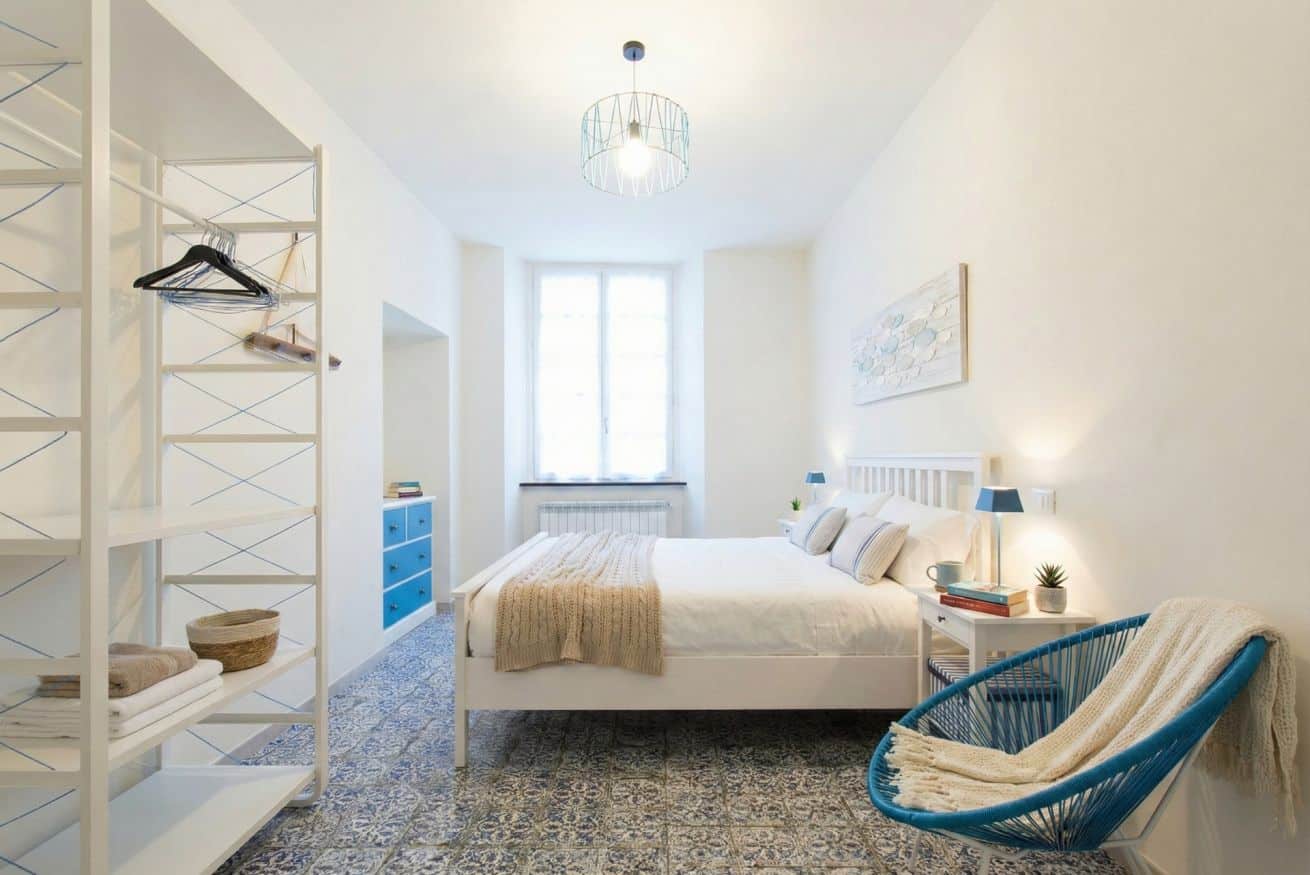
This is why, when we choose a new destination, we always look for houses that allow us to experience the area freely, without constantly depending on the car.
For us at A Place To Go, a house is not simply a place to sleep. It is the point from which the best days begin.
The ones in which you change plans because a fisherman recommended a different beach, because the wind has changed or because you decided to follow a route you hadn't planned.
Often it is precisely these deviations that turn a holiday into a memory.
The truth is that there are no perfect beaches.
There are different ways to experience them, often the difference is not the destination, but the way you reach it, the time you choose or the curiosity to take a few more steps.
True luxury, today, is not finding a secret beach but being able to experience even the best-known ones at the right time and with a different perspective. Because the sea without crowds it still exists.
Very often it is simply a few hundred meters further than where everyone stops.