Whenever we arrive somewhere new, the first serious decision of the trip isn't about what to see, but where to sit and eat on the first evening.
It is a moment that also decides the mood of the following days: a good first meal makes you feel at ease with a place, a wrong one leaves you with the suspicion of having wasted time and money. Over the years, between the villages of Liguria and the Circeo coast, we have developed a method for choosing a restaurant on the go that works almost everywhere, not just in the places we know best.
The rules for recognizing a good restaurant and avoiding tourist traps
The time
A place that serves lunch until 3pm and reopens for dinner as early as 6.30pm is almost always organized for the tourist who arrives when they happen to, not for those who live there.
THE restaurants that keep local hours (lunch by 2pm, dinner not before 7.30-8pm in most of Italy) are often also those with the most refined cuisine, because they are not keeping it open continuously to intercept anyone passing by.
The menu
A menu translated into four languages, with photos of the dishes, almost always indicates a place designed for those who stay for just one day. A menu written only in Italian, perhaps with some dish linked to what's on that day, indicates a kitchen that works for regular customers, the one who, if the dish doesn't convince, points it out and doesn't return.
The distance from the tourist center
In almost every destination the tour focuses on a square or a main street: the closer a restaurant is to that point, the more the price of the dish also includes the location, not just the cuisine. All you need to do is move even just one side street find a different quality/price ratio, often better.
The coherence between territory and main dish
Being close to the sea does not mean that every local prepares the catch of the day: in many coastal areas the land cuisine (vegetables, fresh pasta, meat) is equally or more typical, and asking if a dish is truly local or just "from the tourist menu" almost always avoids disappointment.
Who is at the other tables
More intuitive but equally reliable: observe the room in the local time slot, not in the tourist one. A room full of local families or those who stop after an outdoor activity recount more than ten reviews written by those who have only passed once.
As we usually do
In practice, as soon as we arrive in a new place, we avoid booking the first meal before arriving there: we prefer go for a walk in the early afternoon, look at which places have the menu displayed only in Italian, ask for a advise to whoever manages the accommodation or a shop in the area, and book only at that point, for the same evening or at most for the following day.
On weekends from spring onwards However, we book one day in advance in smaller venues, because they often have few tables by choice, not due to space limitations. And if we stay more than two or three days, we never repeat the same area for all meals: alternating changes both the type of cuisine and the perspective on the area.
Two territories, same method
In Finalborgo, between the village and the coast
In Finalborgo, in the Finale area, the method is applied almost to the letter: the village is small, you can cross it on foot in a few minutes, and the differences between a place a stone's throw from the main square and one on a side street are immediately noticeable, both in price and in the type of customers. It is also an area where the cuisine alternates seafood dishes (in Finale Marina, on the coast) and inland dishes (in the village and in the immediate hinterland), so the question of what is truly local at that moment is worth double.
If you want verified addresses and not just the method, you find here our complete guide on where to eat in Finalborgo.
In San Felice Circeo, between the sea and the Mediterranean scrub
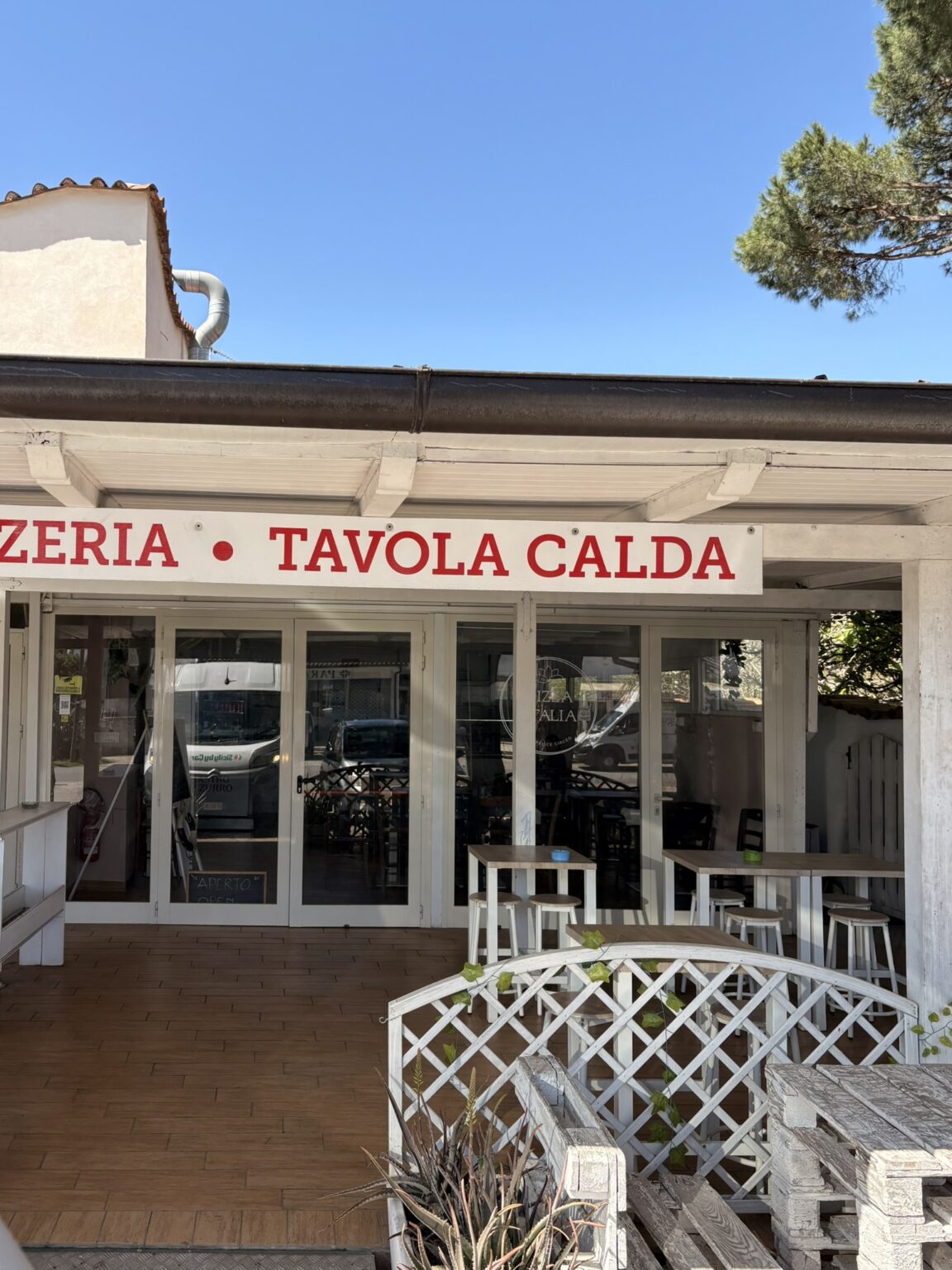
On the coast of San Felice Circeo the reasoning changes scale but not logic: here tourism focuses a lot on seafront and on the summer months, therefore the gap between the premises designed for a passing public and those who work all year round with a more stable clientele feel even more so.
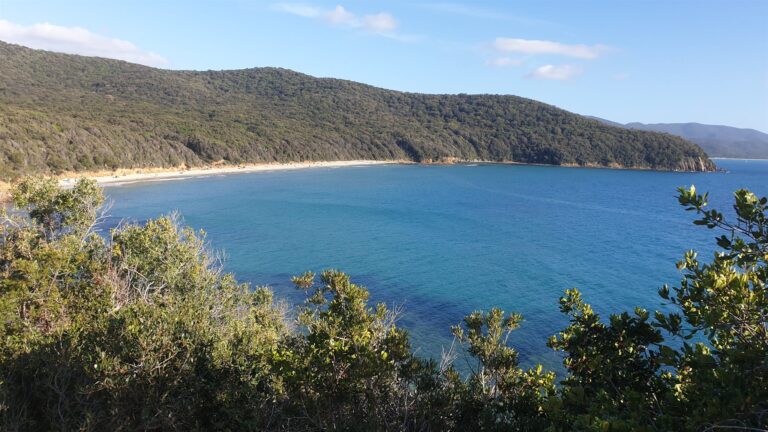
The promontory and the area of Mediterranean scrub that surrounds it remain a territory with a precise identity, made up of inland products pontine as well as seafood, and it is a mistake to reduce the entire gastronomic offer of the area to just seafront fish cuisine.
If you are organizing a weekend in these parts, our story of a slow weekend in Circeo it's a good starting point to understand how to get around the area.
Three things we rarely tell
In small villages like Finalborgo many historic venues are closed for a day or two in the middle of the week, precisely because they work with regular customers and don't need to stay open all the time.
There distance between coast and hinterland, both in the Finale area and in the Pontine area, the type of cuisine changes much more than one would expect, often in the space of a few kilometres. And in areas with very strong summer seasonality, such as the Circeo coast, the shoulder months (May, June, September) are often the best time to find the most genuine places, simply because they still work mainly with those who live or stay there permanently.
There is no definitive list of addresses that is valid forever: places open, change management, lose the hand that made them good.
What remains valid, wherever you go, is the method for recognizing them: times, menus, distance from the tourist center, coherence between the territory and the dish offered, and the composition of those sitting at the other tables. They are the same criteria that we carry with us every time we sit at a table without yet knowing if it will be a good choice, whether it is a Ligurian village or a promontory on the sea of Lazio.